Concrete Calculator tools are the secret weapon for any successful construction project, whether you are a professional contractor or a DIY enthusiast. Estimating the exact amount of material required is the first step toward a cost-effective and structurally sound build. In this guide, we will explore how to use our advanced tool to save time and money on your next project.
Table of Contents
- Why Use a Concrete Calculator?
- How to Calculate Concrete Volume
- Concrete Bag Yield Tables
- 7 Pro Tips for Accurate Estimation
- Access the Free Concrete Calculator
Why Use a Concrete Calculator for Your Project?
Ordering too much concrete leads to wasted money and environmental concerns. Ordering too little leads to “cold joints,” which weaken the structural integrity of your slab or footing. By using a Concrete Calculator, you eliminate the guesswork and ensure your budget stays on track.
Our tool is designed to handle complex shapes, including slabs, footings, and circular posts. It provides results in cubic yards, cubic feet, and the number of pre-mixed bags required (60lb or 80lb), making it the most versatile tool available online.
How to Calculate Concrete Volume Using Formulas
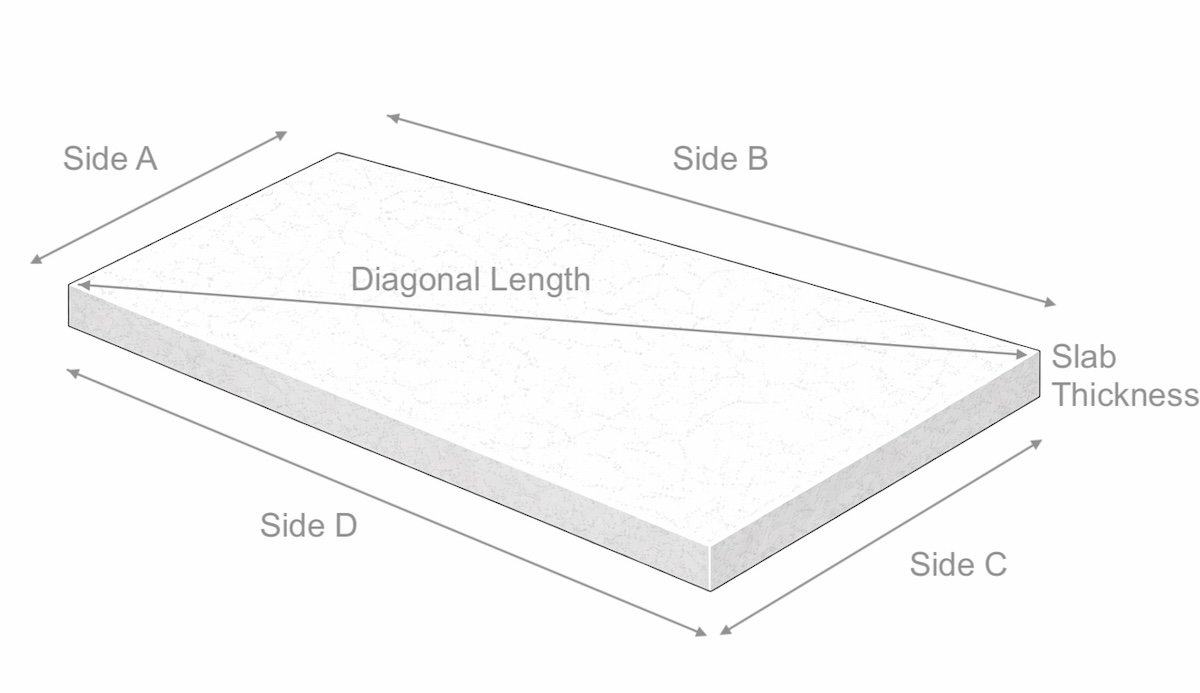
While the Concrete Calculator does the heavy lifting, understanding the underlying formulas is essential for double-checking your work. The basic formula for volume is: Length × Width × Thickness.
Slab Calculation Formula
To find the cubic yards for a rectangular slab:
- Measure length and width in feet.
- Measure thickness in inches (convert to feet by dividing by 12).
- Multiply Length × Width × Thickness = Cubic Feet.
- Divide Cubic Feet by 27 to get Cubic Yards.
Understanding Concrete Bag Yield Tables
If you are working on a smaller project like a walkway or fence post, you will likely use pre-mixed bags. A Concrete Calculator is vital here because bag yields vary by weight. Most projects use either 80lb or 60lb bags.
| Bag Weight | Yield (Cubic Feet) | Bags per Cubic Yard |
|---|---|---|
| 80 lb Bag | 0.60 cu ft | 45 Bags |
| 60 lb Bag | 0.45 cu ft | 60 Bags |
| 40 lb Bag | 0.30 cu ft | 90 Bags |
7 Pro Tips for Using a Concrete Calculator Effectively
To get the best results, follow these industry-standard practices:
- Add a Waste Factor: Always add 10% to your total to account for spillage, sub-grade irregularities, and form spreading.
- Check Depth Consistency: A slab that is supposed to be 4 inches deep might actually be 5 inches in the center. Use the Concrete Calculator with the maximum depth for safety.
- Consider the Mix: High-strength concrete may have slightly different yields. Check the manufacturer’s data on Quikrete or Sakrete for specific bag specs.
- Measure Twice: Small errors in measurement lead to large errors in volume.
- Account for Rebar: While rebar takes up space, it is usually negligible; however, for massive foundations, it may slightly reduce the concrete needed.
- Round Up: Never round down when buying bags. It is better to have one extra bag than to run out.
- Use the Right Tool: For the most accurate results, use our Official Concrete Calculator.
Try Our Online Concrete Calculator
Ready to start your project? Our free Concrete Calculator is optimized to give you instant results. Whether you are pouring a backyard patio or setting posts for a new fence, we have the precision tools you need.
For more helpful construction and math tools, visit our CalculatorzKit Home Page to explore our full suite of calculators designed to make your life easier.
Additional Resources
If you are interested in the science behind concrete strength and durability, you can refer to the American Concrete Institute for technical standards and guidelines.
Using a Concrete Calculator is not just about numbers; it’s about the confidence that your project will be completed without unnecessary delays or expenses. Start your estimation today and build with precision!